Lithography
History, Types, Famous Lithographers.
MAIN A-Z INDEX - A-Z of ART MOVEMENTS

|
Lithography
|
|
DIFFERENT FORMS OF ARTS |
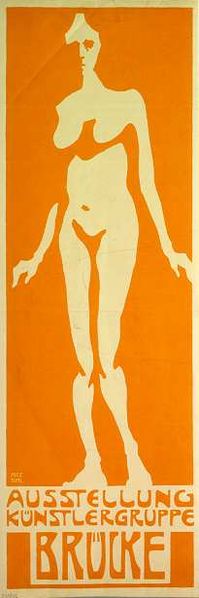
Lithography: Type of PrintmakingIn fine art, the term lithograph or lithography comes from Greek, meaning 'writing with stone'. It was invented in 1798 by German Alois Senefelder (1771-1834), as a way of printing text, in particular his own plays. Lithography is a popular planographic (surface-printing) technique based on the immiscibility (chemical repulsion of) oil and water. Senefelder patented the process in 1798 and his first publication was a set of drawings by Swiss naturalist Conrad Gessner (1516-65) in London in 1799. The lithographic process was kept top secret until 1818, when Alois Senefelder published Vollstandinges Lehrbuch der Steindruckerey (A Complete Course of Lithography). A modern variant is photo-lithography, which employs photographic processes to capture the image on metal plates. History of Lithography Lithography quickly became popular with artists as a means of reproduction. The artist simply drew a picture on a stone, which was then pressed to reproduce lots of copies on paper. Senefelder continuously improved the process during his lifetime, receiving awards and medals for his work. The first collection of lithographs was published in London in 1803, and included works by American artist Benjamin West (1738-1820), Irish painter James Barry (1741-1806) and Anglo-Swiss artist Henry Fuseli (1741-1825). In 1804 the first series of lithographs in Berlin were published, and included a drawing by the architect Karl Friedrich Schinkel (1781-1841). In France the process proved popular with some of the country's most important artists including Eugene Delacroix (1798-1863), Theodore Chasseriau (1819-1856), Theodore Gericault (1791-1824) and the aged Goya (1746-1828). By this time the process had been further developed and it was now possible to give both colour and tone to a lithograph. It was discovered that every colour could be produced by overlapping blue, red, yellow and black.
|
|
|
|
|
Developments in Lithographic Printing
Process
|
|
|
The Basic Lithographic Process Famous Fine Art Lithographers |
|
• For more about etching, engraving, lithography, silkscreen or giclee prints, see: Visual Arts Encyclopedia.
ENCYCLOPEDIA OF PRINTMAKING ART |